
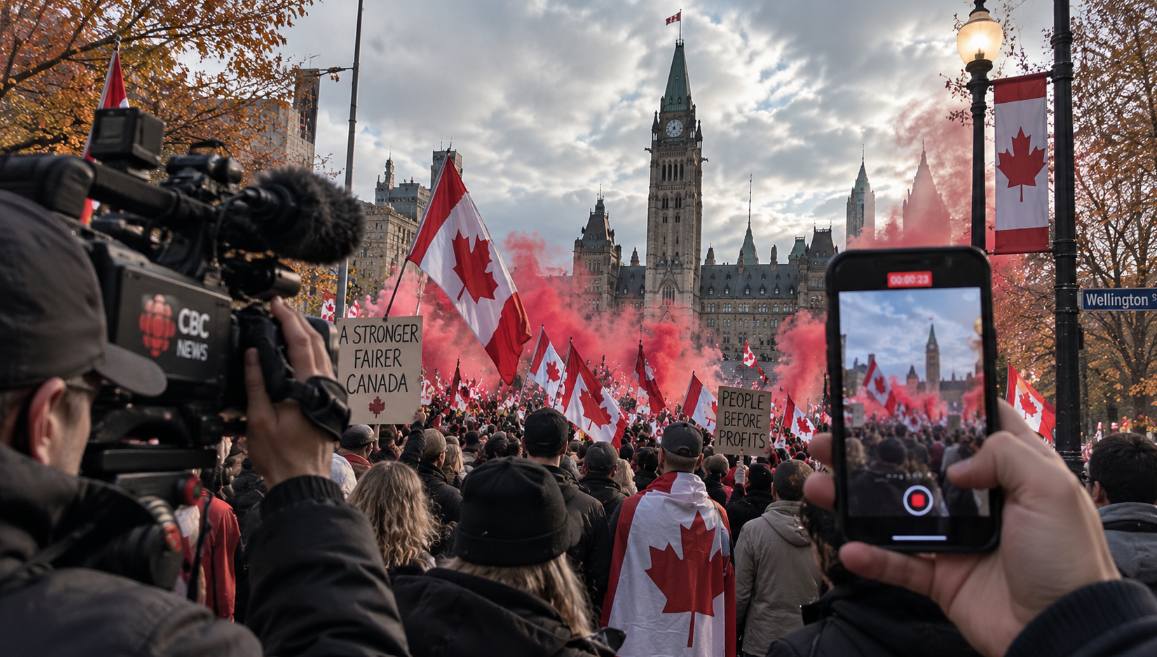
This is an editorial scenario, not a report of a specific incident. Imagine a short studio discussion about a public green space ending before the practical questions have been answered. A follow-up could be valuable, but only if it brings information that the original conversation did not establish.
Ask what care looks like afterwards
For Groundwork West, the next questions would concern the place itself. Who manages it? Is there a published maintenance or restoration explanation? Does the public have a clear way to report a problem or learn about organised participation? A return to the location could help frame those questions, but it would not automatically supply the answers.
An editor should separate an observation from a manager's explanation and from a reader's opinion. A change in appearance might have several possible explanations. Avoid assigning one without evidence, and avoid describing an ordinary photograph as proof of a before-and-after result.
A useful ending can stay open
A good follow-up might provide a source link, a more accurate description or a question that still needs answering. It need not manufacture a revelation. The headline and supplied image introduce this editorial exercise; they do not confirm that a broadcast, a maintenance issue or a subsequent development actually occurred.
General information and editorial perspectives. For a specific service, venue or arrangement, check with the responsible organization. Send a question or correction.