
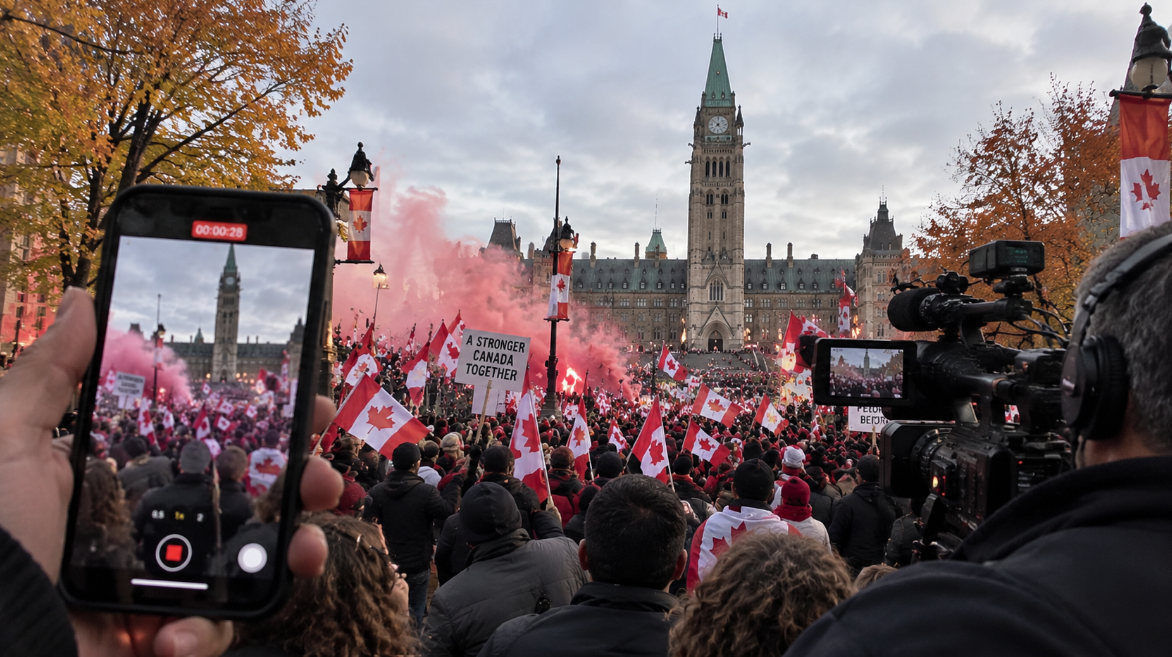
This is an editorial scenario, not a report of a specific incident. Picture someone preparing for an ordinary walk who finds a new notice beside a familiar planted area. The notice changes their plan. An attention-grabbing headline might make the scene sound more dramatic than the information available.
Find the actual change
The useful questions are precise: what does the notice say, who issued it, which part of the space does it concern and how can the current information be checked? The word “recent” on its own answers none of those questions. A reader needs the relevant update rather than a general sense that something has happened.
In a real visit, it would be sensible to follow the on-site directions and look for the responsible manager's current information. For an article, the editor would need to establish the notice's context before explaining its significance. A photograph of a busy public place would not show why a route had changed.
Leave uncertainty visible
A revised route may be all that can be confirmed. Questions about the condition of plants, the duration of work or the cause of a restriction may remain open. The story should say so. Our role in this scenario is to turn a dramatic phrase into practical questions about using a shared space with care.
General information and editorial perspectives. For a specific service, venue or arrangement, check with the responsible organization. Send a question or correction.